
Understanding Heat Exchanger Tube Leaks
Heat exchanger tube leaks are a common issue in industrial systems and can lead to reduced efficiency, unplanned downtime, and costly repairs. Early detection and the right solution are essential to maintain performance and prevent further damage.

What Causes Heat Exchanger Tube Leaks?
Tube leaks can develop over time due to a combination of mechanical, chemical, and thermal stress. The most common causes include:
- Corrosion – chemical reactions that weaken the tube material
- Erosion – wear caused by high-velocity fluids or particles
- Vibration – continuous movement leading to fatigue and cracks
- Thermal stress – expansion and contraction from temperature changes

Why Tube Leaks Are Critical
Even small leaks can have serious consequences for industrial operations:
- Unplanned downtime and production loss
- Reduced heat transfer efficiency
- Risk of cross-contamination
- Increased maintenance and repair costs
How to Detect Tube Leaks
Early detection is essential to prevent major damage and costly downtime. Several methods are used to identify leaking tubes in heat exchangers.
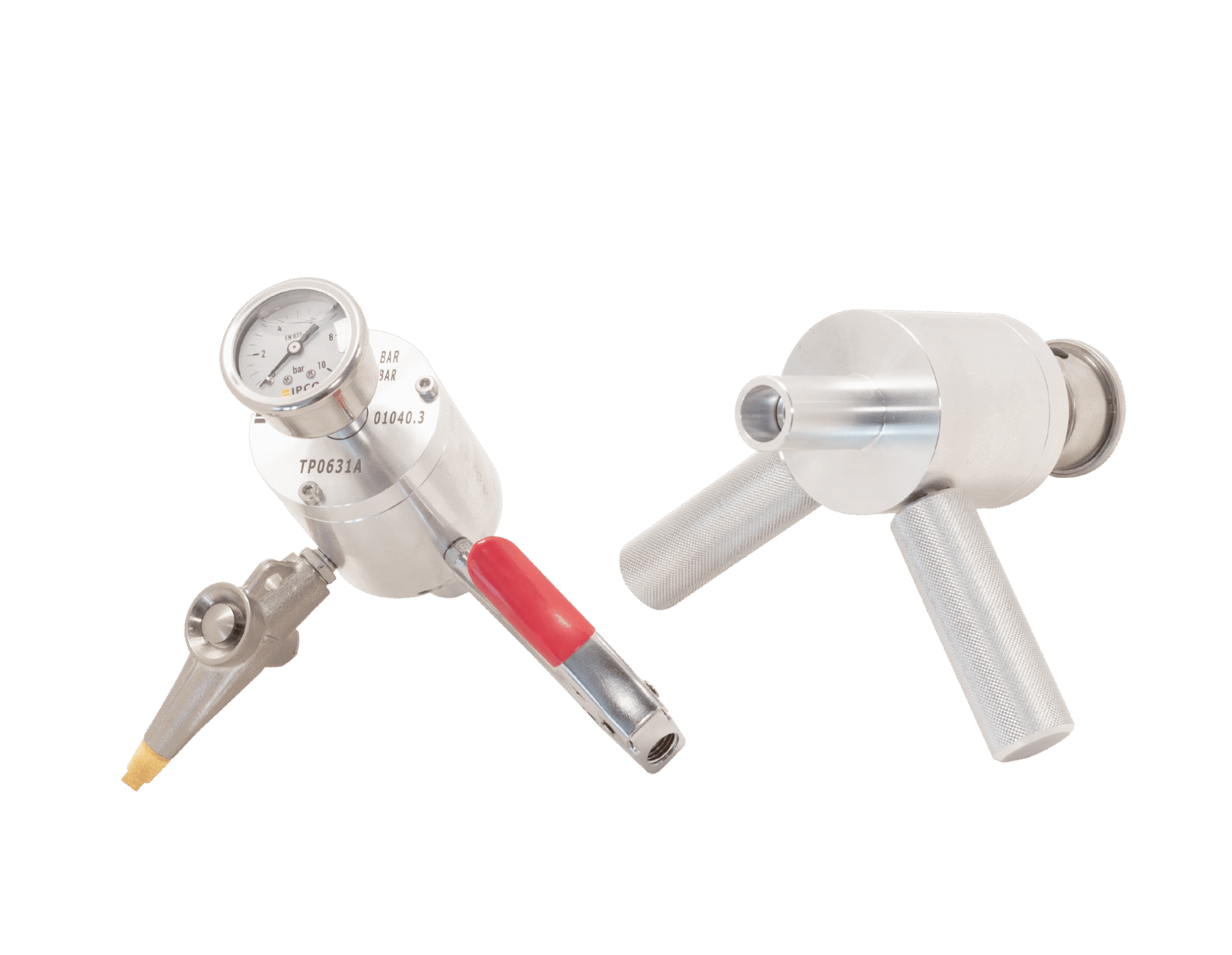
Tube Pressure Testing
A widely used and practical method for detecting leaks is tube pressure testing.
With pneumatic tube testing tools, both ends of a tube are sealed and pressurized using air or inert gas. If the pressure drops, a leak is detected.
Benefits of tube testing:
- Fast and reliable leak detection
- Suitable for on-site inspection
- Minimal setup required
- Can test multiple tubes per minute

Other Detection Methods
In addition to pressure testing, other inspection techniques are used depending on the situation:
- Eddy current testing – detects internal defects and wall thinning
- Acoustic tube testing – identifies leaks during operation
Solutions for Heat Exchanger Tube Leaks
Once a leaking tube has been identified, immediate action is required to prevent further damage and downtime. There are two main approaches to handle heat exchanger tube leaks.
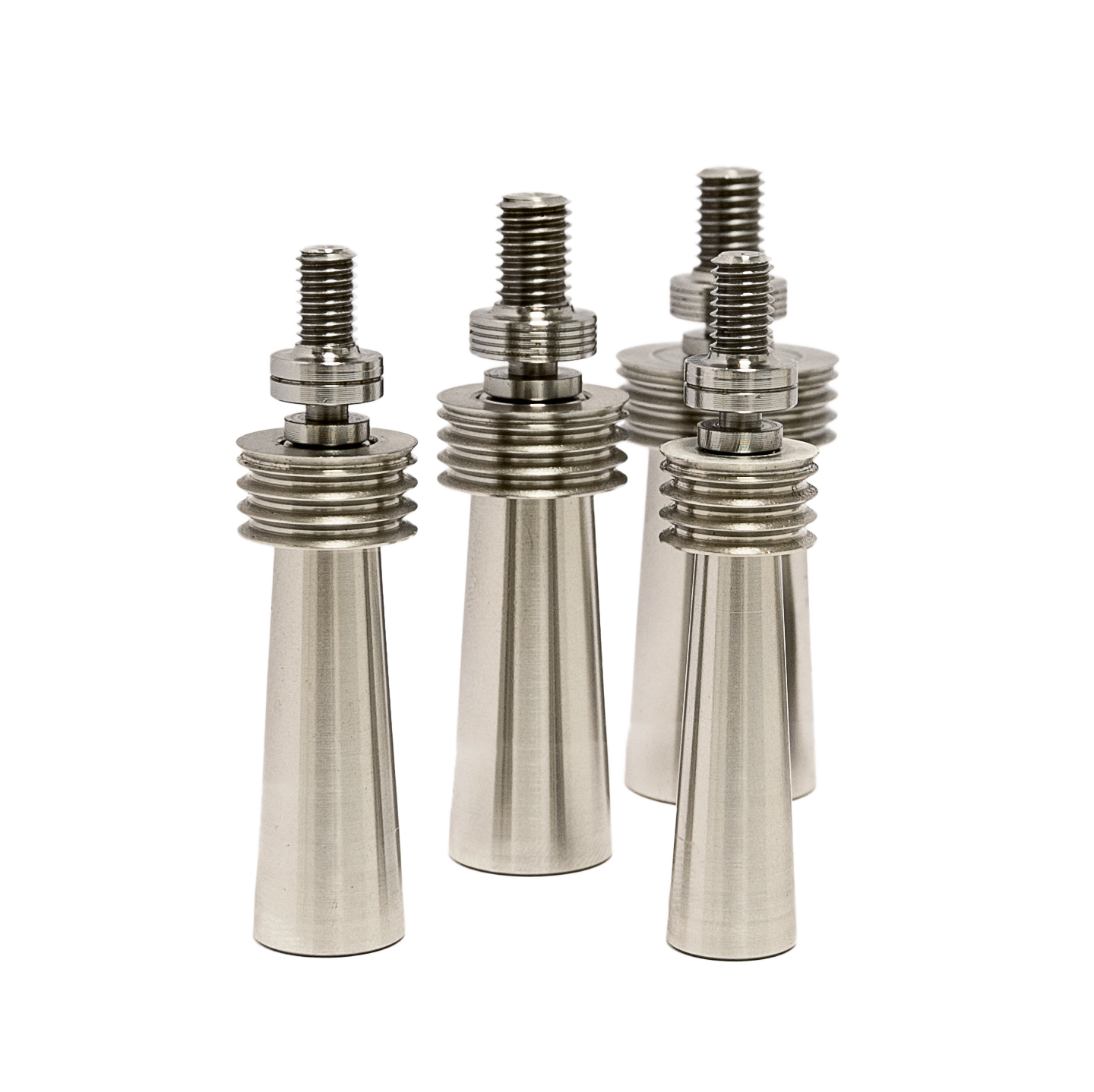
Tube Plugging
Tube plugging is a fast and reliable method to seal leaking tubes without replacing the entire heat exchanger.
- Immediate leak sealing
- No welding required
- Minimal downtime
- Cost-effective solution
Tube plugging allows operators to quickly isolate damaged tubes and keep the system running efficiently.
Regular inspection
Regular inspection helps detect issues early and prevent unexpected failures.
Combining inspection with proper maintenance ensures long-term performance of heat exchangers.
- Early detection of defects
- Reduced risk of failure
- Improved maintenance planning
Looking for the Right Solution?
From leak detection and tube testing to reliable tube plugging systems, IPCO offers practical solutions to minimize downtime and extend the service life of heat exchangers.
Get in touch with our team to discuss your requirements and receive expert advice.